Kearney Top Excavation Contractor: Affordable Site Preparation
The Importance of Excavation Services for Successful Land Development
Excavation services play a pivotal role in land development. They establish a solid foundation by removing soil and rock, providing essential stability and effective drainage. The effectiveness of these services directly influences project success. Different soil types present unique challenges that can complicate the excavation process. Recognizing these elements is crucial for developers. What critical aspects should be addressed to improve excavation performance and secure future building projects?
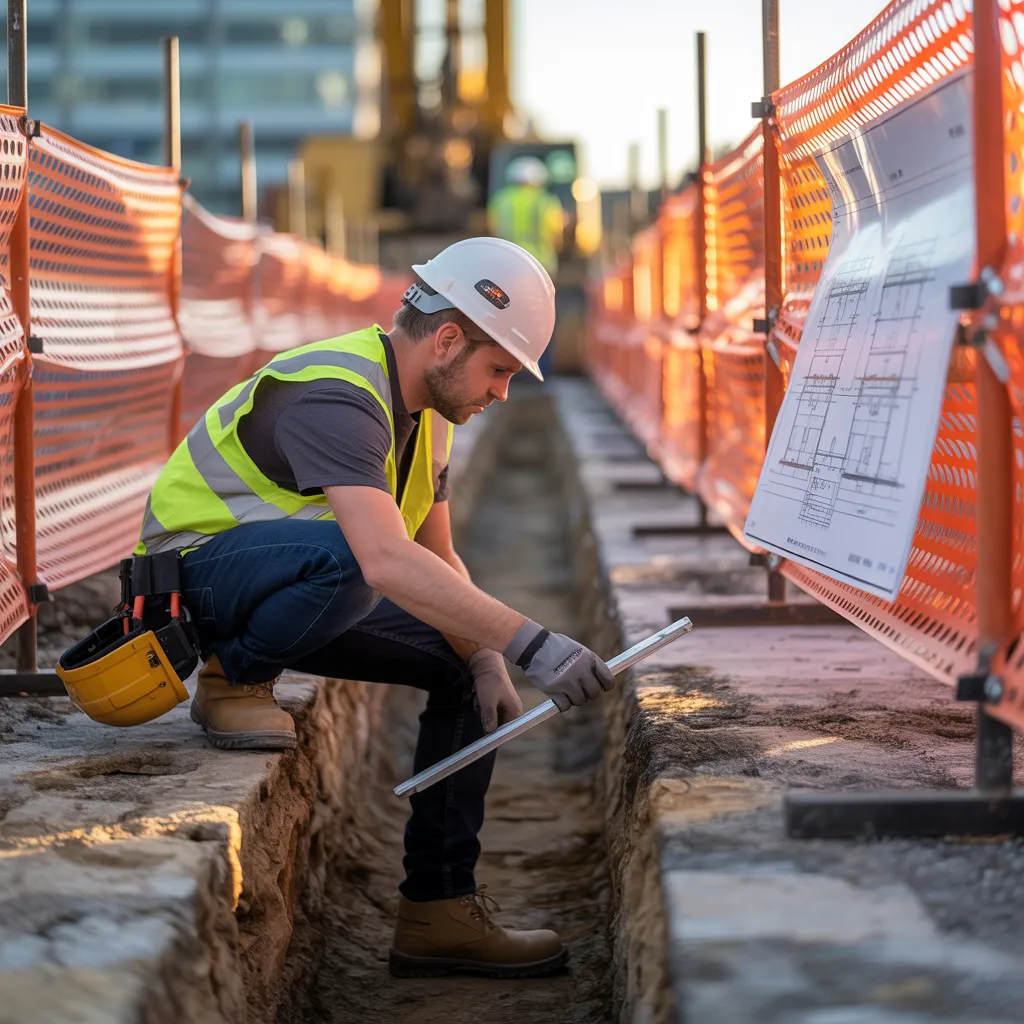
The Role of Excavation in Land Development
Excavation acts as a critical component in land development, transforming the terrain for planned construction work. This operation encompasses the removal of soil and rock to establish a proper foundation for structures, roadways, and various infrastructure. Through precise land surveying, excavation crews are able to identify the necessary depth and volume of material to be removed, guaranteeing that the location is ready for its designated purpose.
Moreover, excavation serves a vital function in managing drainage, as it facilitates the proper grading of land to prevent water accumulation. This not only safeguards structures from flood-related risks but also improves the site's overall usability. Additionally, excavation facilitates the installation of vital utility systems, such as electricity, gas, and water, by establishing trenches and access points. Ultimately, excavation is invaluable in creating a strong foundation for efficient land development, ensuring that subsequent construction phases proceed smoothly and efficiently.
The Impact of Excavation on Site Preparation
Excavation holds a fundamental importance in site preparation by supporting detailed soil analysis, which is essential for determining the viability of the ground for development purposes. Understanding the soil composition supports knowledgeable determinations regarding structural foundation demands and overall stability. Additionally, effective excavation plays a key role in the development of drainage solutions, promoting efficient water handling and avoiding potential problems down the line.
Why Soil Assessment Matters
Although often overlooked, soil assessment plays an essential role in site preparation, as it significantly affects excavation strategies and overall project success. Analyzing soil structure, stability, and moisture content enables developers to reach well-informed conclusions regarding excavation depth and methods. Distinct soil categories, such as clay, sand, or silt, exhibit varying behavior under load, influencing the stability of structural foundations. A thorough soil assessment can reveal potential issues, such as contamination or poor structural support, which could cause significant project disruptions if not resolved in a timely manner. By identifying these factors, excavation services can customize their methods, ensuring efficient site preparation that meets the demands of the project. Ultimately, an extensive soil evaluation is critical for mitigating complications and supporting a positive project result.
Stormwater System Design
A well-designed drainage system is integral to efficient site preparation, particularly following a detailed soil assessment. Adequate excavation plays a critical role in this design, as it guarantees that the site's landscape directs water away from structures and minimizes erosion. During the excavation process, engineers can identify natural water flow patterns and adjust grading to improve drainage efficiency. Additionally, soil type and permeability are examined, informing the selection of appropriate materials for drainage solutions, such as pipes or ditches. Integrating these systems reduces the risk of water accumulation and flooding, which can jeopardize the integrity of buildings and infrastructure. Ultimately, effective drainage design supports a stable environment, promoting successful land development and long-term sustainability.
Soil Types and Their Impact on Excavation
Distinct soil compositions heavily affect the excavation process, offering distinct challenges and benefits. Dense clay soil poses complications during excavation because of its high moisture content, while sand-based soil generally enables smoother navigation and improved drainage. Conversely, rugged rocky ground can present significant challenges, demanding advanced machinery and strategies to manage efficiently.
Challenges of Clay Soil
Clay-based soil poses many obstacles for digging projects, greatly affecting site development. Its dense and cohesive nature renders excavation challenging, frequently necessitating specific machinery and approaches. Moisture retention is an additional notable problem; clay-based soil may become excessively waterlogged, leading to instability and increased excavation costs. Additionally, clay's propensity to swell when moist and contract when arid adds complexity to foundation development, increasing the risk of settling or cracking in structures built on such soil. The slow drainage properties of clay can also hinder construction timelines, as builders are required to regulate water levels diligently. Overall, understanding these challenges is essential for ensuring successful excavation and land development projects in clay-dominated areas.
Benefits of Sandy Soil
While many soil types present unique challenges, sandy soil complete info provides distinct advantages for excavation work. The granular nature of sandy soil enables superior drainage, lowering the likelihood of water accumulation that can complicate excavation efforts. This permeability facilitates more efficient project timelines, as operators can proceed with less risk of delays caused by wet conditions. Moreover, sandy soil is relatively easy to excavate, requiring less intensive machinery and labor relative to denser soil types. The light composition of sandy soil also minimizes the risk of equipment becoming lodged or sinking, improving overall efficiency. Altogether, these characteristics make sandy soil a favorable option for excavation, supporting smoother land development processes and effective project completion.
Rocky Ground Considerations
Excavation projects often face significant challenges when dealing with rocky terrain. The presence of hard rock can complicate the excavation process, requiring specialized equipment such as rock drills and hydraulic hammers. Different types of rock, including granite and limestone, vary in hardness, impacting excavation time and costs. Moreover, the geotechnical attributes of the rock impact stability and drainage, which are vital for successful land development. Thorough site evaluation is necessary to identify the most effective excavation methods and to prevent delays. Beyond that, rocky terrain can hinder access for heavy machinery, demanding strategic planning to maintain efficiency. Ultimately, understanding the implications of rocky soil types is crucial for effective excavation and long-term project success.
The Importance of Proper Drainage in Excavation Projects
Adequate drainage is a fundamental aspect in excavation projects, as it directly impacts the stability and longevity of the site being excavated. Effective drainage solutions stop water buildup, which can result in structural instability, soil degradation, and foundation compromise. In the course of excavation, managing water is essential to preserve optimal ground conditions, enabling effective compaction and structural integrity.
In addition, insufficient drainage systems can result in flooding, endangering machinery and hindering project timelines. Implementing effective drainage systems, such as grading and installing drainage pipes, confirms that water flows away from key areas. This proactive approach not only protects investments but also improves the overall safety of the job site.
Moreover, adequate drainage minimizes environmental effects by regulating runoff, thereby preserving surrounding ecosystems. To conclude, incorporating efficient drainage solutions into excavation projects is critical for ensuring successful land development and securing long-term sustainability.
Standard Excavation Challenges and Their Resolutions
Managing the challenges of excavation projects often presents various challenges that require thoughtful approaches. A frequent challenge is unanticipated subsurface conditions, such as hard formations or polluted soil, which can delay progress and inflate costs. To address this concern, thorough pre-excavation surveys and soil testing are vital for accurate planning.
An additional concern is managing water accumulation, which can disrupt workflows and generate safety concerns. Implementing effective drainage systems and dewatering techniques can resolve this problem.
Furthermore, access constraints at the site can create challenges for moving equipment and delivering materials. Effective solutions involve thoughtful planning of the site layout and deploying compact machinery when required.
Furthermore, collaborating with utility services is vital, as unmarked utility lines can lead to interruptions and dangerous situations. Working with utility companies in the early planning stages helps locate existing utility lines. By planning for these potential issues and implementing effective solutions, excavation contractors can enable more effective project delivery and effective land development results.
The Link Between Excavation and Foundation Stability
Successful excavation lays the groundwork for stable foundations, directly influencing the integrity and longevity of structures. The excavation procedure demands thorough site preparation, which includes soil removal and grading to guarantee a level surface. Well-performed excavation reduces hazards including soil erosion and shifting, which can compromise foundation stability.
Furthermore, the kind of soil found during earthwork serves a significant function; binding soils, for example, present different structural properties when contrasted with granular soils. Engineers use excavation data to determine load-bearing capacity and develop structural foundations as appropriate.
Neglecting to perform proper excavation can lead to structural instability, surface cracks, and eventual foundation collapse. As a result, a strong connection exists between proper excavation practices and the lasting stability of a structure's foundation. Guaranteeing meticulous excavation practices is essential for maintaining the structural integrity of any development project.
Key Excavation Services That Drive Project Excellence
Excavation services are a key factor in the completion of any land development undertaking. Among the essential services, site preparation is fundamental, making certain the land is properly cleared and leveled before construction begins. Grading services come next, enhancing water runoff and forming a reliable base for structural foundations. Furthermore, trenching plays a crucial role in setting up utilities such as water, electrical, and sewage infrastructure, providing the basis for all future infrastructure needs.
Moreover, earthmoving operations support the clearing of unwanted soil or rock, working to establish the required land contours. Such services not only improve site accessibility but also contribute to environmental sustainability by controlling soil erosion and protecting natural habitats. Lastly, backfilling is critical to reclaim the land post-construction, ensuring stability and safety. Combined, these excavation services build a robust foundation for productive land development, reducing risks and enhancing efficiency across the project lifecycle.
How to Select the Top Excavation Contractor
Selecting the right excavation contractor is critical for ensuring that the foundation work laid during land development aligns with the project's requirements and benchmarks. To start, potential clients should examine the contractor's skill and background in related endeavors, as a strong track record reflects reliability. Reviewing licenses and insurance is important; these credentials safeguard both the contractor and the client from possible risks.
Additionally, acquiring multiple quotes aids in understanding market rates and guarantees competitive pricing. Feedback and referrals from prior customers offer valuable information about the service provider's quality of work and professionalism. Assessing their machinery and equipment can further highlight their capacity to address particular project requirements effectively.
Lastly, proper communication is vital; a contractor who pays attention and resolves issues fosters a collaborative environment. With these considerations in mind, clients can make an informed decision, ultimately leading to successful land development outcomes.
Questions We Often Receive
What Equipment Is Commonly Used in Excavation Projects?
Excavation projects commonly utilize skid steers, bulldozers, backhoes, excavators, and dump trucks. Such machinery competently shifts earth, eliminates debris, and conditions sites, facilitating solid foundations for future construction and land development endeavors.
What Is the Typical Duration of the Excavation Process?
The excavation procedure typically takes from a few days up to several weeks, subject to project size, soil conditions, and equipment used. Proper planning and weather considerations can greatly influence the overall duration of excavation work.
Are Permits Required for Excavation Work?
Indeed, obtaining permits is usually required for excavation activities. Rules differ depending on the location, but acquiring the appropriate permits guarantees adherence to local regulations, safety guidelines, and environmental factors, which ultimately leads to smoother project completion and lowering the risk of legal problems.
What Safety Protocols Are Implemented During Excavation?
During excavation work, safety measures encompass evaluations of the site, adequate signage, personal protective equipment for workers, inspection of equipment, trench reinforcement, and hazard surveillance. These precautions are designed to prevent accidents and provide a safe working environment.
In What Ways Can Weather Influence Excavation Timelines?
Weather conditions, such as rain, snow, or extreme temperatures, can greatly delay excavation timelines. Wet soil may become unstable, while frost-hardened earth can hinder equipment, consequently delaying project finalization and elevating contractor costs.